
Storytelling is the Future of Digital Marketing
Introduction
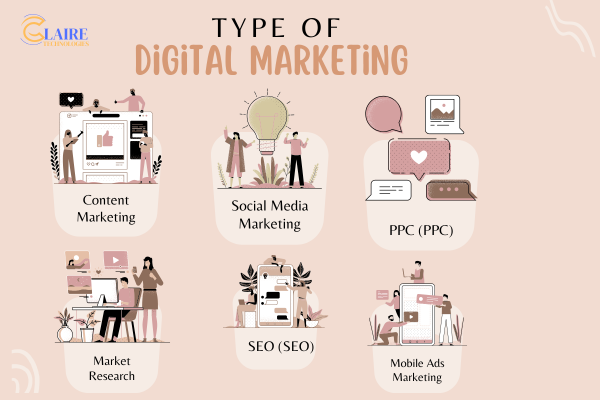
In today’s fast-moving digital landscape, brands are constantly searching for better ways to connect with audiences. While algorithms, automation, and analytics continue to evolve, one timeless skill stands strong — storytelling. It is no longer just a creative touch but a powerful strategic tool that humanizes brands and builds emotional connections.
As we move deeper into the future of digital marketing, storytelling is emerging as the bridge between data and emotion, between information and inspiration. Let’s explore why compelling stories have become the heart of marketing success in the modern age.
Understanding the Role of Storytelling in the Future of Digital Marketing
To begin with, storytelling in marketing is not about fiction — it’s about connection. People don’t buy products; they buy the emotions and experiences attached to them. Consequently, marketers are realizing that numbers alone can’t build loyalty, but a meaningful narrative can.
In the future of digital marketing, brands are competing not only for visibility but also for authenticity. Customers are tired of traditional ads that simply sell; they seek brands that speak — brands with a voice, values, and vision. Storytelling satisfies this modern expectation by making content memorable, relatable, and trustworthy.
Why Storytelling Defines the Future of Digital Marketing
The digital space is oversaturated. Every day, millions of posts, reels, and videos flood online feeds. Amid this noise, storytelling acts as a filter — it helps your brand stand out and stay in minds longer. But why exactly is storytelling so effective in shaping the future of digital marketing?
Because Stories Build Emotional Engagement
Firstly, stories trigger emotions, and emotions drive actions. When a brand shares real stories — of customers, employees, or impact — it creates a genuine bond. Transitional phrases like as a result, therefore, and ultimately describe what happens next: customers remember, relate, and respond.
For instance, Nike’s “Just Do It” campaigns aren’t about shoes — they’re about determination and triumph. The emotion embedded in the story makes the message powerful and persuasive. Therefore, emotional engagement is at the core of the future of digital marketing.
Because Stories Simplify Complex Ideas
Moreover, complex data or technical products can be hard to explain. A well-crafted story simplifies it effortlessly. When Apple introduced the iPod, they didn’t promote “a 5GB music player”; instead, they told a story — “1,000 songs in your pocket.”
This clarity, delivered through narrative, makes storytelling one of the strongest tools in the future of digital marketing.
Elements That Make Storytelling Effective
For storytelling to shape the future of digital marketing, it must be structured thoughtfully. Great stories have common elements that resonate with people across cultures and contexts.
A Clear Character and Conflict
Every great story has a hero. In marketing, your customer is that hero. The conflict represents their challenge — whether it’s finding a better solution, saving time, or improving lifestyle. Your brand becomes the guide who helps them overcome the obstacle.
Emotional and Authentic Message
Additionally, authenticity matters more than perfection. In a world full of filters and polished posts, honesty builds trust. Sharing your journey — including failures, lessons, and growth — creates a narrative that audiences find believable.
A Purpose-Driven Resolution
Finally, every story must lead to meaning. When your message ends with a purpose — such as improving lives, protecting nature, or inspiring innovation — it stays in memory. In this way, storytelling strengthens brand reputation and supports long-term success in the future of digital marketing.
The Future of Digital Marketing Lies in Human Connection
In the era of AI, automation, and analytics, human connection is the real differentiator. While data helps us understand who the audience is, stories help us understand why they care.
Storytelling and Technology Working Together
Importantly, storytelling is not the opposite of technology — it complements it. Data can inform the narrative, while storytelling gives data a soul. For example, insights from analytics can reveal what topics resonate most with your audience, allowing you to craft stories that align with their interests.
Personalized Storytelling in the Digital Era
Thanks to AI tools, personalized storytelling has become easier. Brands can now deliver narratives tailored to individual preferences. When combined with human creativity, this approach defines the future of digital marketing — an era where stories are smart, strategic, and scalable.
How Brands Can Use Storytelling in the Future of Digital Marketing
Transitioning from theory to practice, here are a few ways businesses can harness storytelling effectively:
1. Incorporate Stories into All Touchpoints
From social media posts to website content, every customer interaction should reflect your brand’s story. For instance, share behind-the-scenes glimpses, customer journeys, or product creation stories. These narratives foster transparency and loyalty.
2. Use Visual and Video Storytelling
Since audiences consume visual content more than ever, using videos, infographics, and interactive experiences makes storytelling dynamic. A short video with a clear emotional arc can communicate more effectively than a lengthy article.
3. Align Storytelling with Brand Values
Additionally, your stories should echo what your brand stands for. If your company values innovation, highlight how creativity drives your decisions. If you focus on sustainability, share your eco-friendly efforts. This consistency strengthens brand identity in the future of digital marketing.
Measuring the Impact of Storytelling
Unlike direct advertising, storytelling is not always about instant sales; it’s about long-term engagement and perception. However, you can still measure its success through metrics like:
- Increased time on page or video views
- Higher social shares and engagement rates
- Better customer retention
- More positive brand mentions and reviews
Using Analytics to Refine Your Story
Furthermore, analytics tools can show which stories perform best. Use this data to refine your future campaigns. In essence, combining creative storytelling with performance metrics forms the backbone of the future of digital marketing.
Common Mistakes to Avoid
Even though storytelling is powerful, marketers sometimes overdo it. Avoid these common pitfalls:
- Overcomplicating the narrative with too many details
- Making the brand the “hero” instead of the customer
- Ignoring cultural sensitivity or inclusivity
- Forgetting the call-to-action at the end of the story
By staying authentic and customer-centric, your stories will remain engaging and effective.
Conclusion
In conclusion, storytelling truly is the future of digital marketing because it bridges the gap between technology and humanity. While tools and platforms will continue to evolve, stories remain timeless. They make brands relatable, inspire emotions, and turn passive viewers into loyal advocates.
As you shape your marketing strategy for the years ahead, remember this simple truth: algorithms may get you seen, but stories will get you remembered. Therefore, investing in storytelling today is investing in the future of digital marketing tomorrow.